Earthquake Load and Affects, determine Vs30 for Seismic Site Class using MASW/MAM or Downhole Techniques
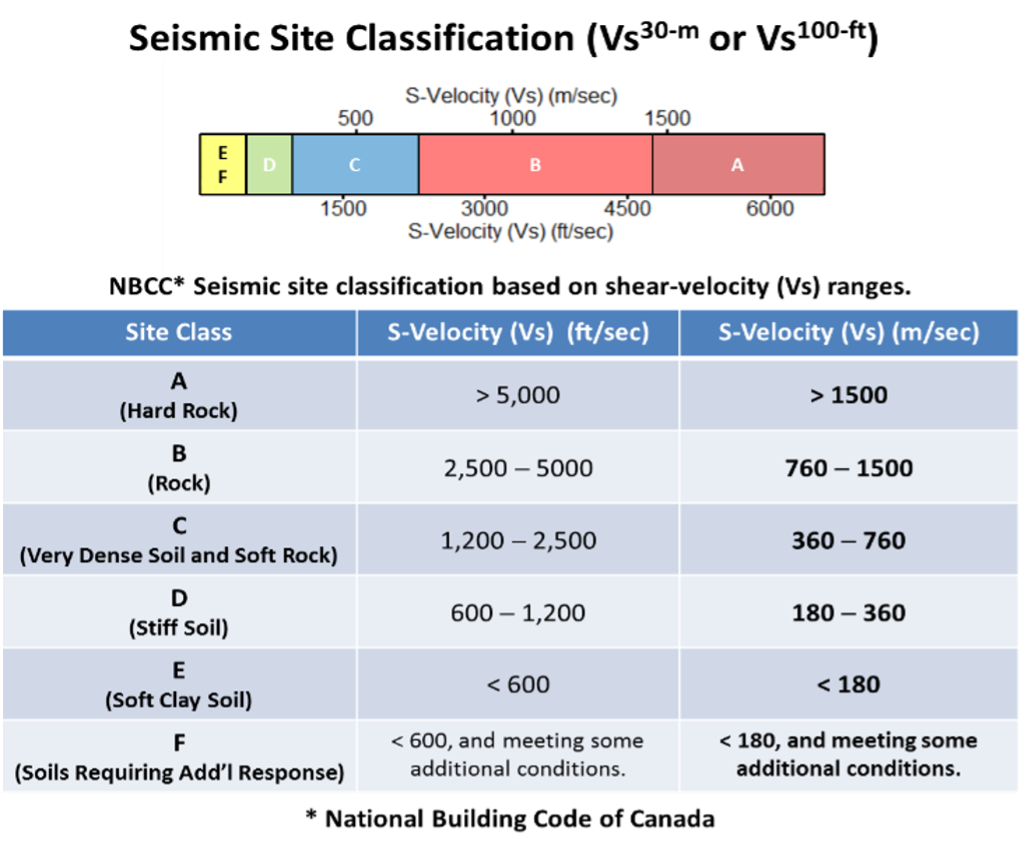
The former Building Code relied upon the just the Seismic Site Class but with NBC (2020) and OBC (2024) the Vs30 is all critical. The Vs30 and the address the website below will generate the Seismic Hazard Values.
2025 - 2020 National Building Code of Canada Seismic Hazard ToolGeotechnical investigations for seismic site class have many disadvantages.
- Drill holes only test the material as deep as the hole and the weakest material is closest to the surface.
- The test is empirical using N values so it must be conservative. 50 blow counts are equivalent to 360m/s.
- Vs30 does not incorporate bedrock velocities into the Vs30.
- A site class of ‘B’ will have to be assigned the lowest Vs30 of 180m/s and ‘C’ a value of 360 m/s.
Geophysical Investigations have several advantages that guarantee a higher Vs30
- Conducted on surface or inside boreholes but does not need a borehole.
- Measurements incorporate the entire 30 meters (if the surface is the bottom of the lowest slab).
- The measurements are direct, not empirical so the Vs30 is always higher.
- The measurements incorporate bedrock velocities into the calculations.
- Measurements can be recalculated to incorporate basement depth (example: 1 level of parking – 3.5 to 33.5 meters below ground surface).
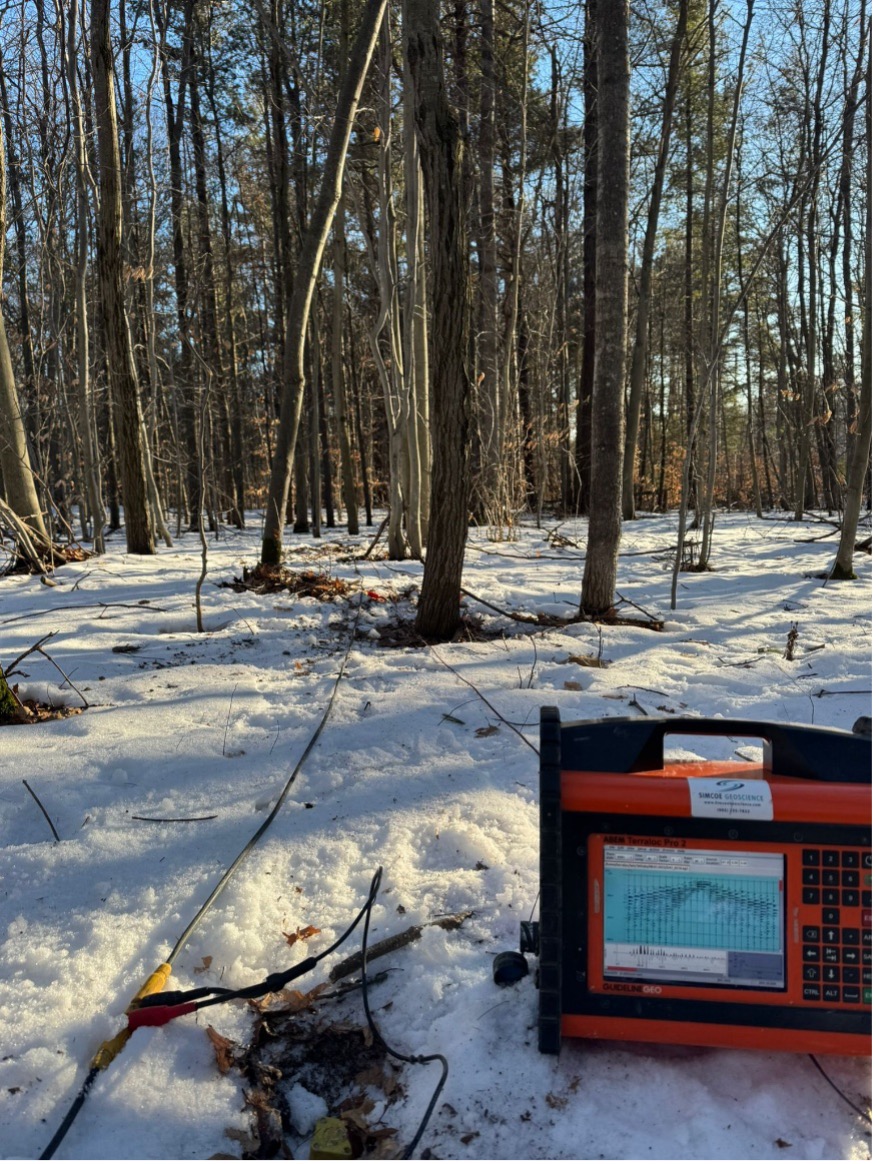
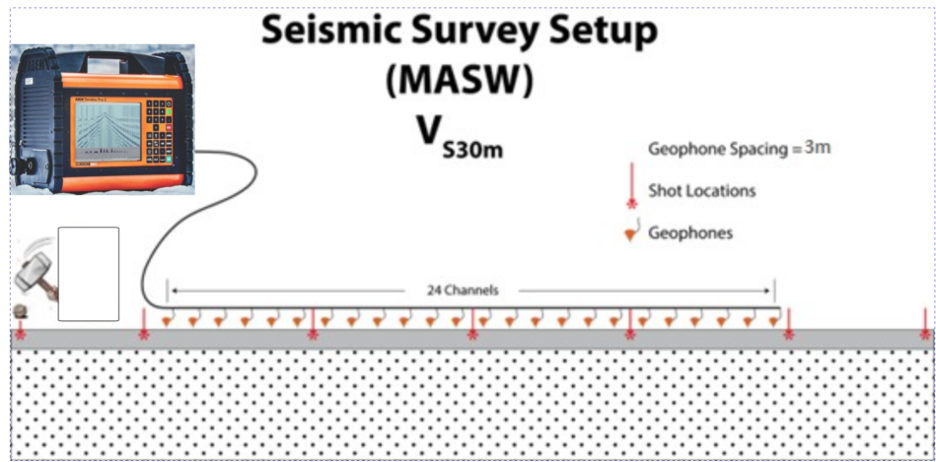
1D Sounding that incorporates MASW and MAM data
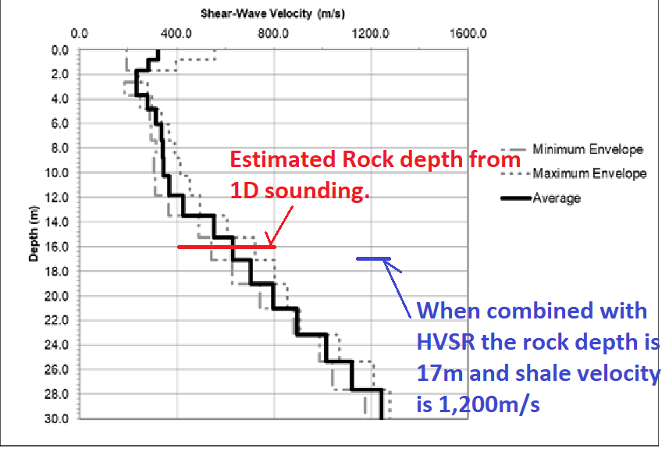
1 D model that incorporates bedrock into the model.
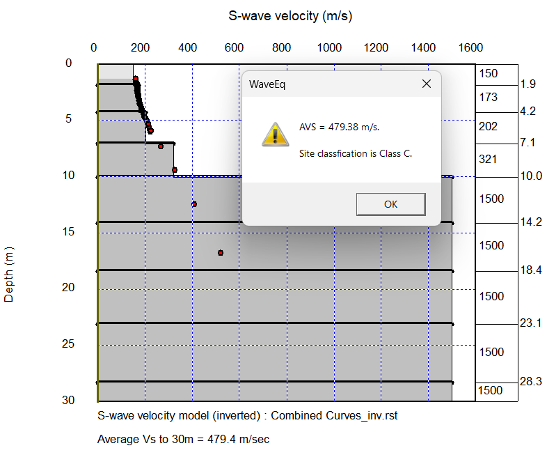
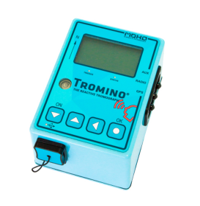
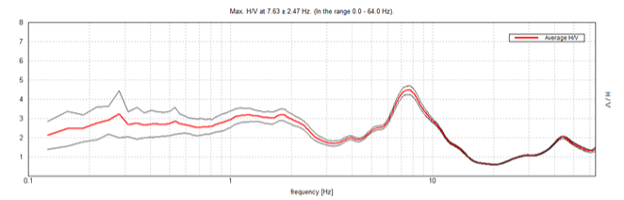
HVSR data used to calculate bedrock depth at specific locations using devices such as HVSR device, Tromino™ BLU or 3 component Smartsolo™ IGU-16HR 3C 5Hz.
\
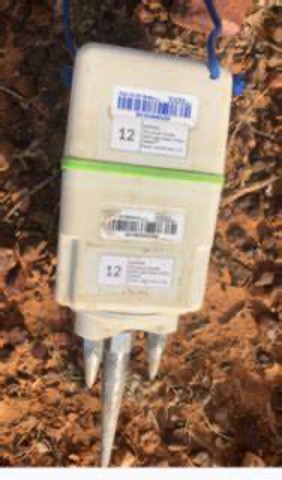
HVSR data used to calculate bedrock depth.
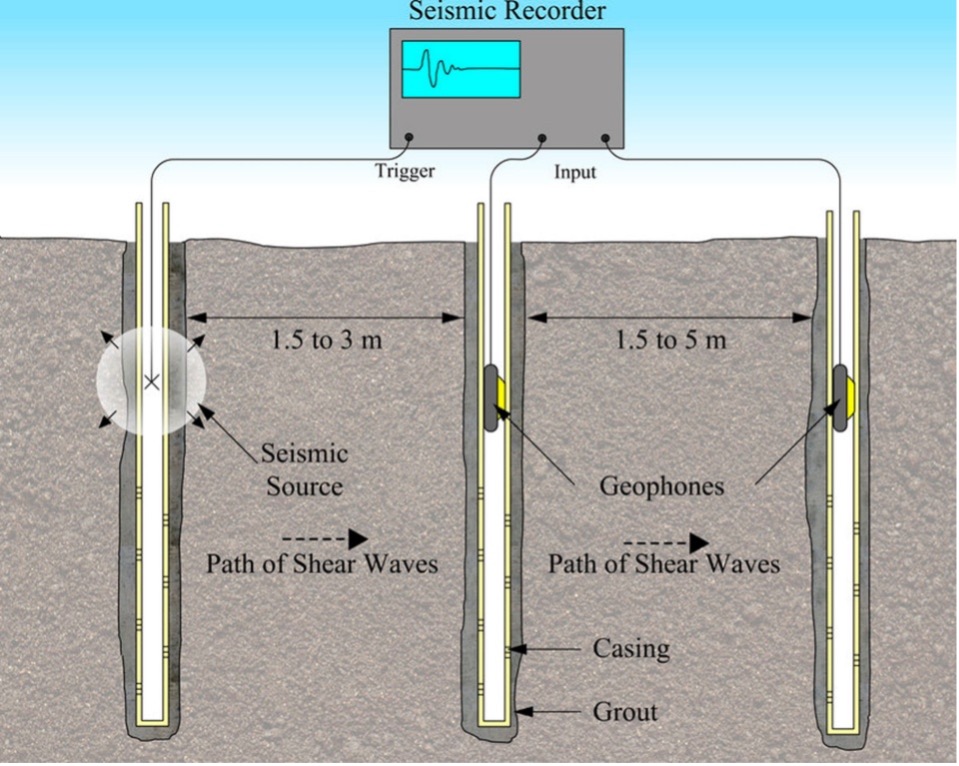
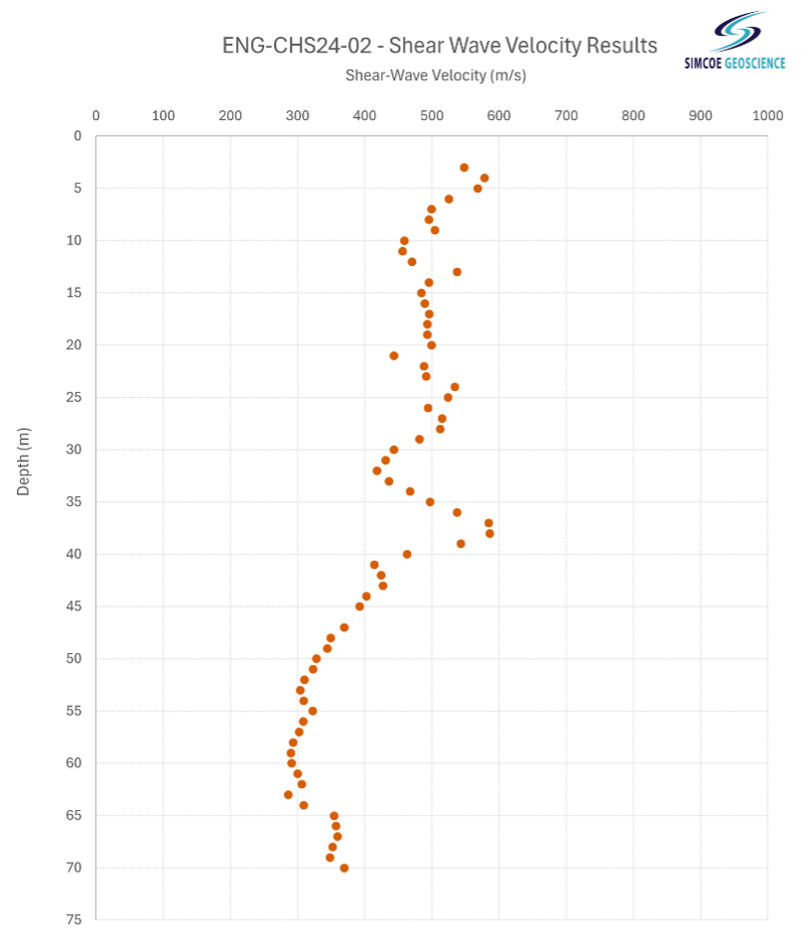
Downhole Testing and Results as per ASTM D
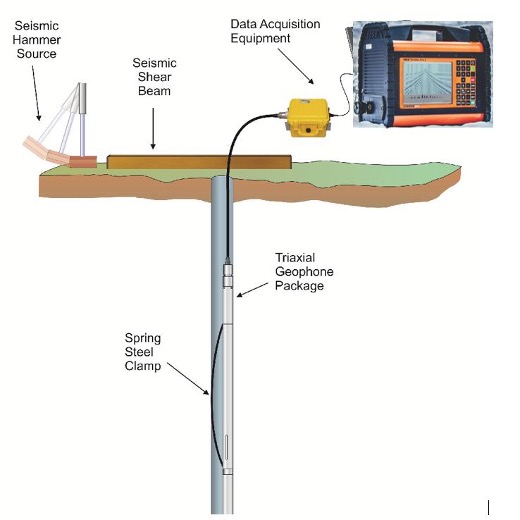
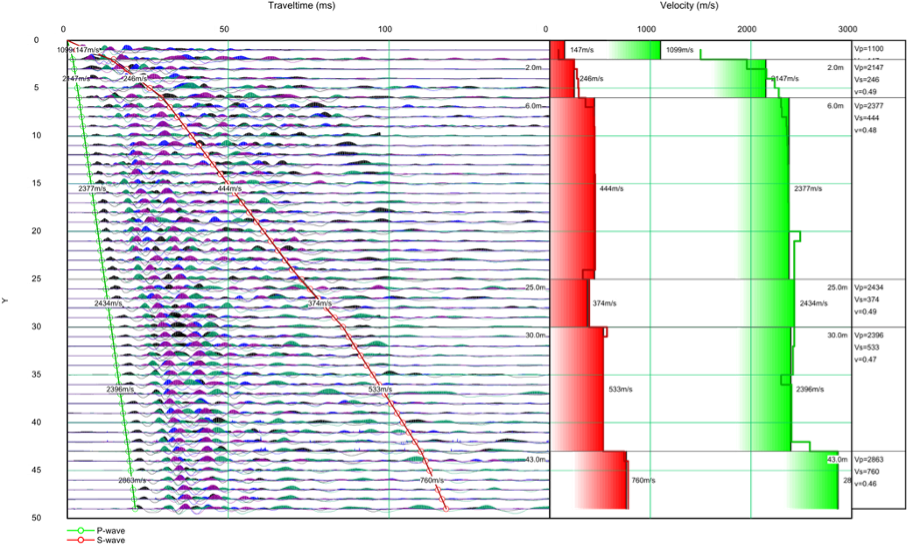
Crosshole Testing & Results